Everywhere in the world, the kettle boils before the question. A guest crosses a threshold and tea materialises within ninety seconds — in Marrakech, in Istanbul, in a village outside Kyoto, in my grandmother’s house. Nobody asks whether you want it. Wanting is not the relevant category.
I spent a year collecting these rituals, one cup at a time. Here is what six of them taught me.
Pakistan: the kettle that wins every argument
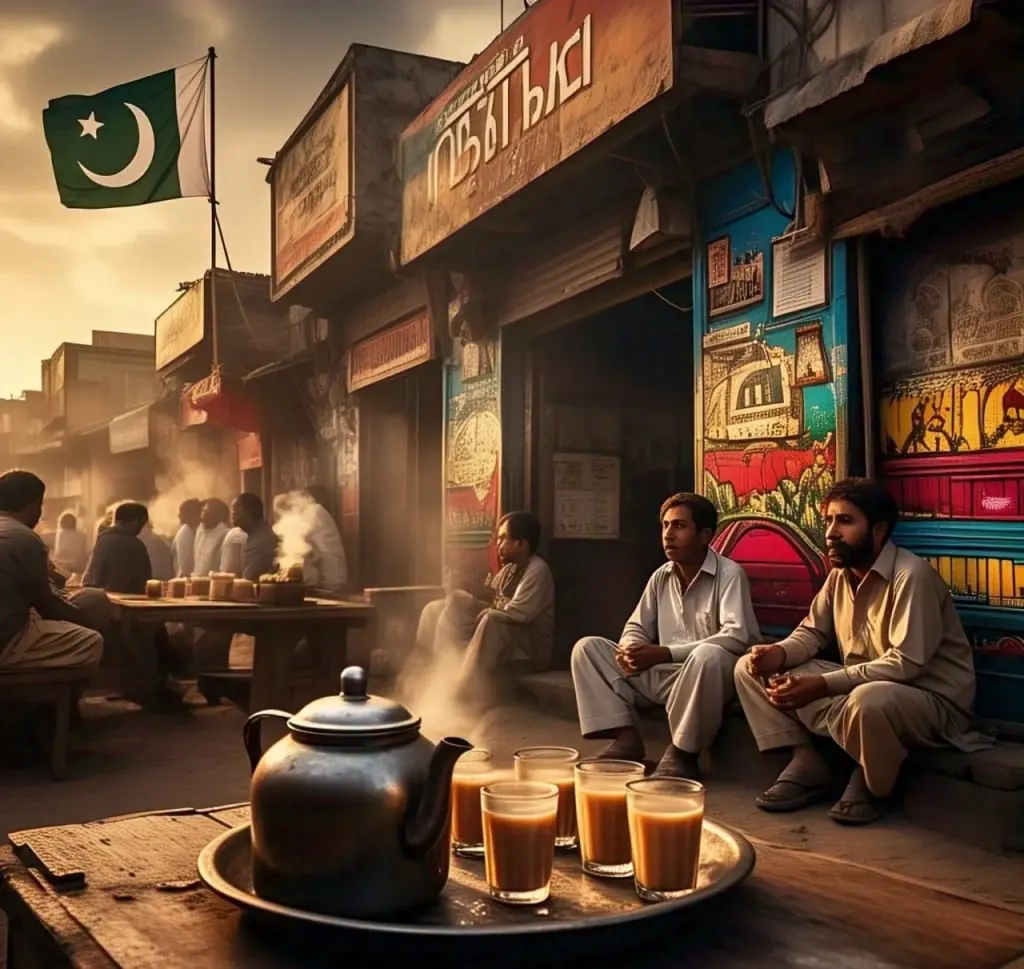
In my country, doodh patti — milk, leaf, sugar, patience — appears at all hours and is never just a beverage. Refusal is an opening bid. The host treats your “no” as a charming first offer, and the cup refills itself when you look away. Chai is punctuation: conversations pause for it, arguments are settled over it, and the roadside dhaba is the true public living room.
Morocco: tea as ceremony
Mint tea is poured from a great height into small glasses, three times, each pour taking a different character. It is theatre with a moral: hospitality performed with visible skill, and refusing the third glass is refusing the friendship.
Türkiye: the tulip glass
Turkish çay arrives in tulip-shaped glasses, crimson and constant, in homes, bazaars and barber shops alike. The glass is small on purpose: it empties quickly, and an empty glass is an invitation to keep talking.
Japan: matcha and attention
The Japanese tea ceremony inverts everything. The point is not abundance but attention — the whisk, the bowl, the turn of the wrist, the single shared bowl. It taught me the other half of hospitality: not just giving, but noticing.
England: the builder’s brew
Strong, milky, in a mug the size of a fist, offered the moment anything difficult happens. The British solved tragedy with tea the way my people solved distance with it. I have come to respect this deeply.
What it all taught me
“The world measures wealth by how much you can give away — and it has never once checked the price of the kettle.”
Every culture I drank in had the same rule wearing a different costume: a guest is a blessing walking through your door, and generosity delayed is generosity denied. We live in an era of scheduled hospitality and delivery apps, but the old version still wins: keep the door open, keep the kettle on, and never let a guest leave lighter than they arrived.
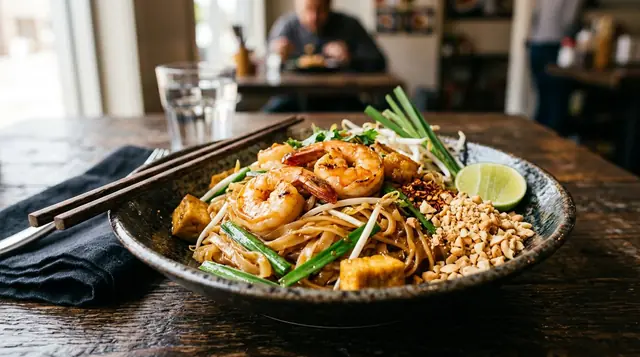
Hungry after all that? Our pad thai recipe is what I’d serve with the fourth cup.