A confession, since we’re among friends: last year I bought nine books. I finished two. One of them was a cookbook, and even that I mostly skimmed.
Meanwhile I “read” an amount of news, timelines and captions that would embarrass a university library — none of which I can recall beyond a general hum of anxiety. Somewhere between the to-be-read pile and the tenth scroll of the evening, I had to admit the obvious: I wasn’t reading. I was consuming, and consuming badly.
The reading race
We’ve turned reading into a productivity metric. Annual targets. Screenshots of spreadsheets. “52 books this year!” — as if Tolstoy and a 90-page business fable were the same currency. The reading race has one rule: faster. And like every race measured in quantity, it quietly punishes the thing it claims to reward. Books become content. Finishing becomes the point. The words go past like scenery from a night train.
What I changed
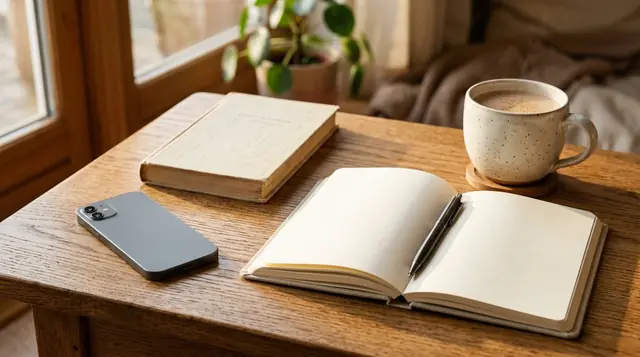
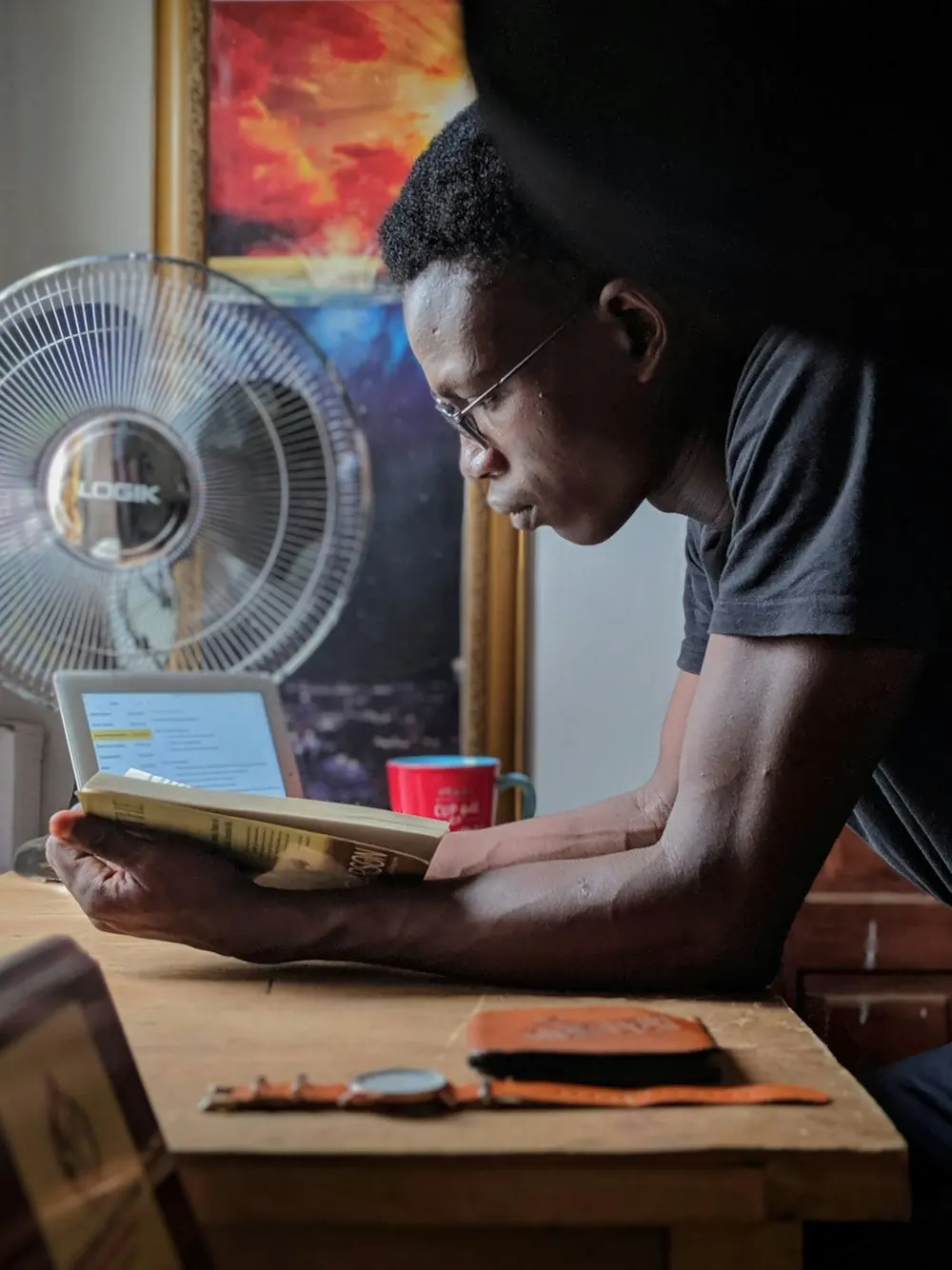
For one month I tried the opposite of everything. One book at a time — one. A pencil in hand, underlining like a trespasser. Rereading paragraphs I liked, guilt-free, the way you replay a song. Permission to abandon any book at page fifty, no funeral required. And one rule that changed everything: the first twenty pages of the day happen at a table, not in bed, and not next to a phone.
“Attention is not a muscle you can cheat. It only grows at the speed you are willing to go slowly.”
The first week was genuinely difficult, which I found diagnostic. My eyes kept sprinting. I finished paragraphs with no memory of them, like arriving somewhere with no memory of the drive. Boredom surfaced — real boredom, the old kind — and I had to let it sit there without a screen to rescue it. My digital detox diary covers that valley in detail; the short version is that it passes.
A month of slow reading
Here is what the scoreboard says: two books finished in four weeks, which is a personal record. More books than in any month of my racing years, which is the joke worth sitting with. I retained more. I argued with the authors. I started noticing prose — rhythm, audacity, the quiet trick of a good sentence — the way you notice spice once you stop gulping.
A small proposal
I’m not prescribing a reading vow. I’m proposing a downgrade: from consumption to meal. Twenty minutes, one book, at a table, phone in another room — that’s the whole programme. Read like you eat. You don’t rush a good meal, and you certainly don’t track it in a spreadsheet.
The world will keep being in a hurry. That’s the world’s business. Yours, for twenty minutes, is one book and one chair. The pile will still be there tomorrow — and for once, you’ll actually be getting through it.