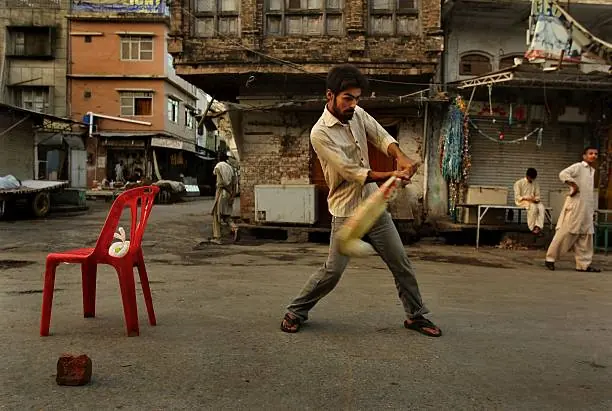
Worldwide — The games that grew up on streets, in gullies and on neighbourhood courts are enjoying their most commercial decade yet, with new leagues, streaming deals and Olympic recognition transforming urban sport from pastime into product.
The latest to land major backing is tape-ball cricket — the fast, improvised format played on roads across South Asia, where a tennis ball wrapped in electrical tape becomes a weapon at dusk. A sixteen-city international league was announced this week, with floodlit, forty-minute matches designed for streaming and a prize purse of $90,000 for the inaugural championship.
Tape-ball follows a well-worn path. Three-on-three basketball, born on playground courts, became an Olympic discipline at Tokyo and now runs professional tours on three continents. Parkour’s world series fills city squares with spectators. Teqball — football played across a curved table — has federations in over a hundred countries barely a decade after its invention.
“The street has always been the world’s real academy. Now the academy is getting floodlights.”— A league organiser
What unites the formats is economics: short matches, tiny venues, no stadium costs, and highlight clips that travel. Sponsors like the demographics; broadcasters like the runtime; and the players — many of whom learned the game within sight of their front doors — like finally being paid for it.
The old guard watches with affection and suspicion. “We played for pride and a borrowed ball,” one lifelong street cricketer told Terravium. “But if the boys can earn from it now — khair hai. Just don’t change the rules. The rules were perfect.”